



As European regions prepare to implement new rules on electricity sharing, policymakers are increasingly looking for practical guidance on how to turn legislative ambitions into frameworks that work for citizens, energy communities and market actors alike. These questions took centre stage during an Interreg Europe Policy Learning Platform peer review in Wallonia. Experts explored how regulation can support a more participatory and consumer-centred energy system.
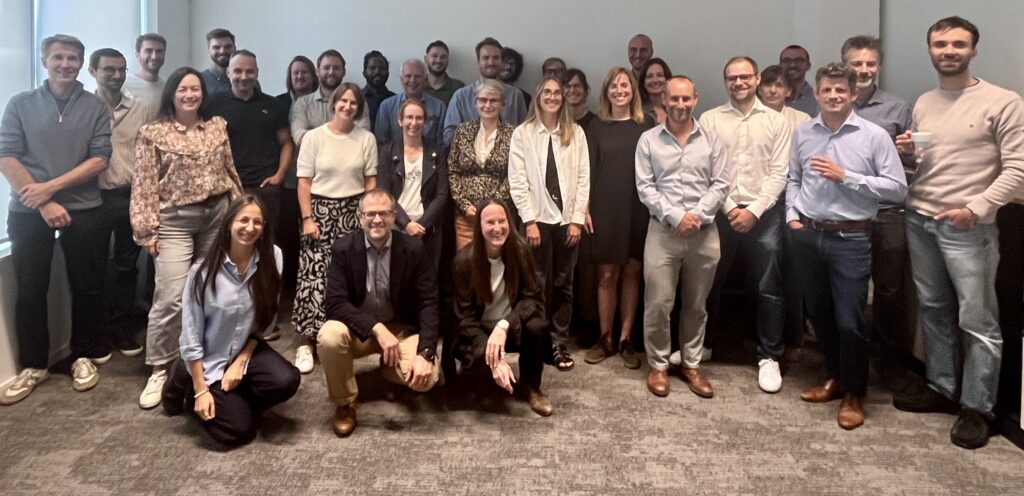
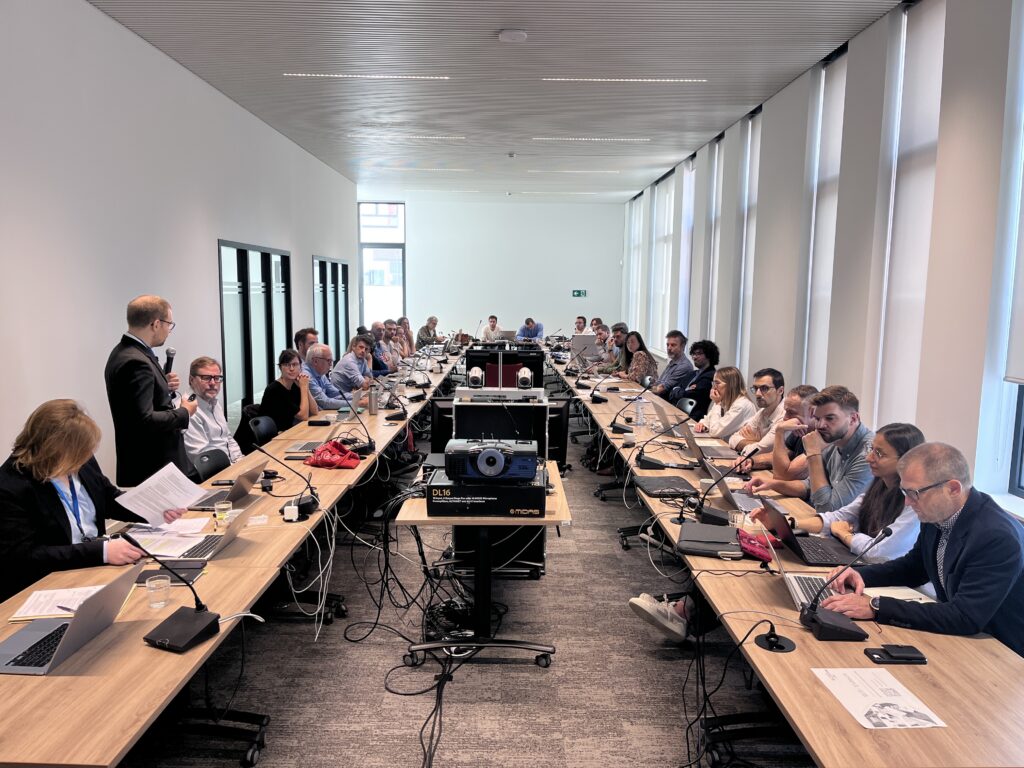
Held in Namur on 30 September and 1 October 2026, the event brought together policymakers, regulators and energy experts. They examined how Wallonia can strengthen its legal framework for electricity sharing and energy communities in light of the upcoming transposition of Directive (EU) 2024/1711. Among the invited experts was Alessandra Porcari, researcher at the Florence School of Regulation (FSR) and partner in the U2Demo project. She contributed insights from the project’s research on energy sharing and energy communities.
Sharing European Experiences to Shape Regulation
The peer review was organized for the Public Service of Wallonia for Land, Housing, Heritage and Energy (SPW) and facilitated by Katharina Krell and Simon Hunkin. Alessandra Porcari was joined by fellow experts Harald Proidl (E-Control, Austria), Odile Macé (Sibelga, Brussels-Capital Region), José Bigares (ERSE, Portugal) and Rémi Bastien (Enogrid, France).
Peer reviews are designed to help public authorities address complex policy challenges through structured dialogue with experts, peers and stakeholders. By comparing experiences from different regions and Member States, participants can identify policy gaps, exchange lessons learned and jointly develop recommendations for future regulatory frameworks.
U2Demo Research Informing Policy Development
During the discussions, Alessandra Porcari presented findings on electricity sharing and energy communities developed within the U2Demo project. Drawing on research conducted by the Florence School of Regulation. The discussions examined how emerging models of consumer participation can support the energy transition and identified the regulatory conditions required for their effective scaling.
The discussions also benefited from insights developed through FSR’s research on consumer protection in innovative energy-related services. Together, these perspectives highlighted the importance of creating frameworks that not only support innovation and flexibility but also ensure transparency, fairness and consumer trust.
For U2Demo, the event provided an opportunity to demonstrate how project research can inform real-world policy processes. By bringing evidence and practical experience into regulatory discussions, the project helps bridge the gap between innovation, market design and policymaking.
A Critical Moment for Electricity Sharing
Electricity sharing is becoming an increasingly important feature of Europe’s evolving energy system. As Member States and regions work to implement Directive (EU) 2024/1711, questions around governance, market participation, consumer protection and the role of energy communities are moving higher up the policy agenda.
For Wallonia, the peer review offered a valuable platform to explore how regulation can facilitate the growth of electricity-sharing initiatives while providing legal certainty and adequate safeguards for consumers and market participants. The exchange of experiences from across Europe highlighted both common challenges and emerging best practices that could help shape the region’s future framework.
From Discussion to Recommendations
The peer review participants developed a set of recommendations that will guide the future development of Wallonia’s legal framework for electricity sharing and energy communities. A report detailing these recommendations is currently being finalized.
In the meantime, Interreg Europe has already published an overview of the key priorities emerging from the discussions. Offering an early glimpse into the policy issues expected to shape the final recommendations.
For U2Demo, participation in events such as this demonstrates the project’s growing impact beyond its pilot activities. By contributing expertise to policy discussions at regional and European level, the project continues to support the development of more inclusive, flexible and citizen-centred energy systems across Europe.
Comments are closed.