



As Europe continues to electrify heating, transport and industry, electricity grids are facing growing pressure. In many regions, grid congestion is no longer a future challenge but a present reality. Across Europe, energy communities are increasingly being seen as part of the solution.
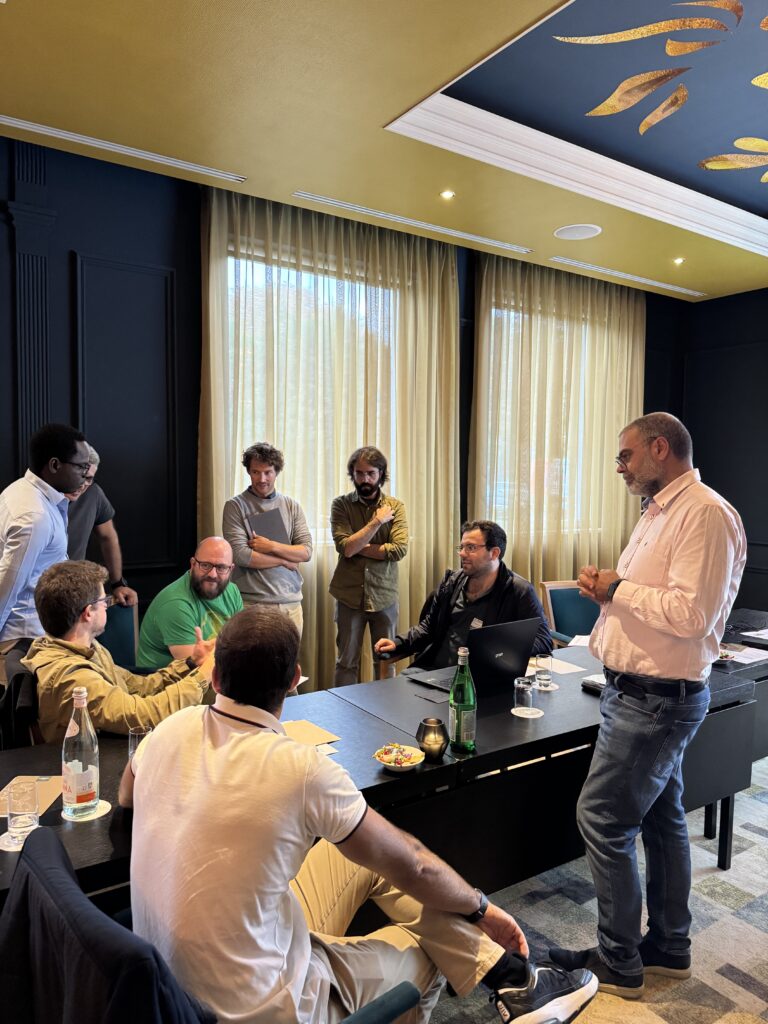
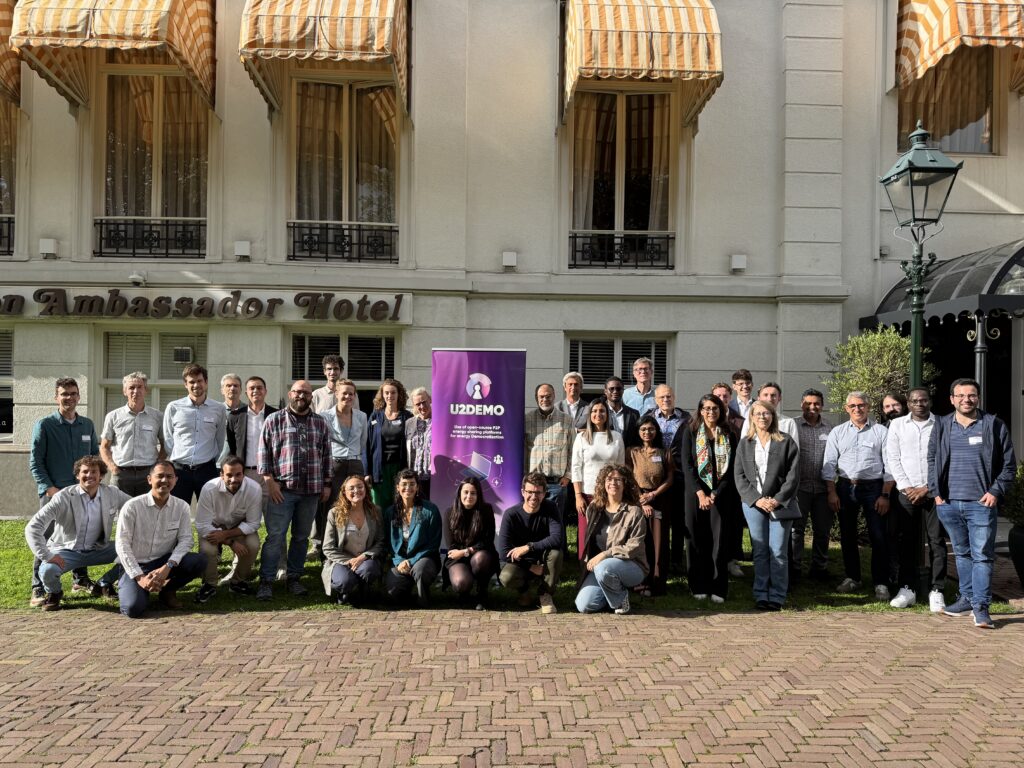
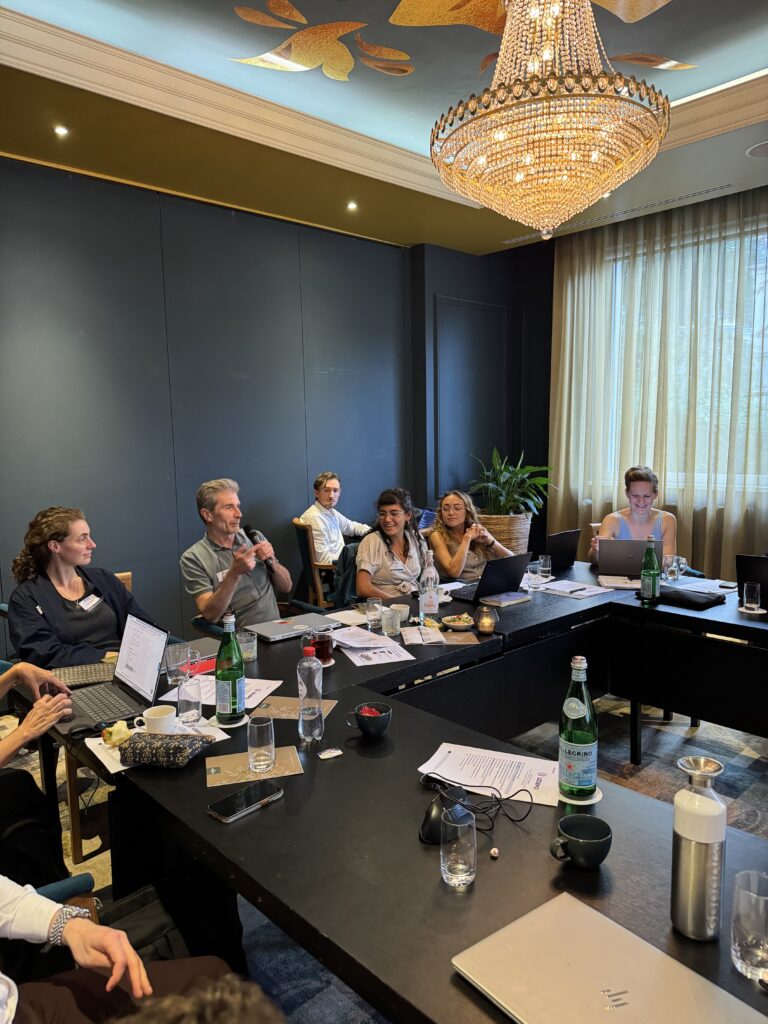
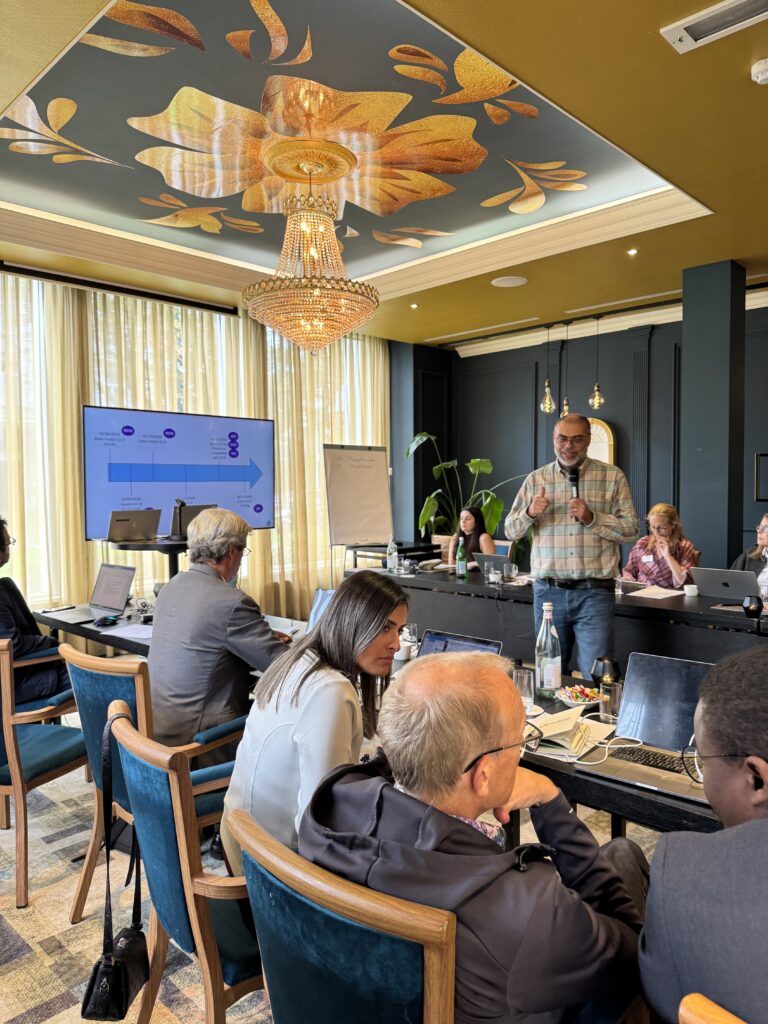
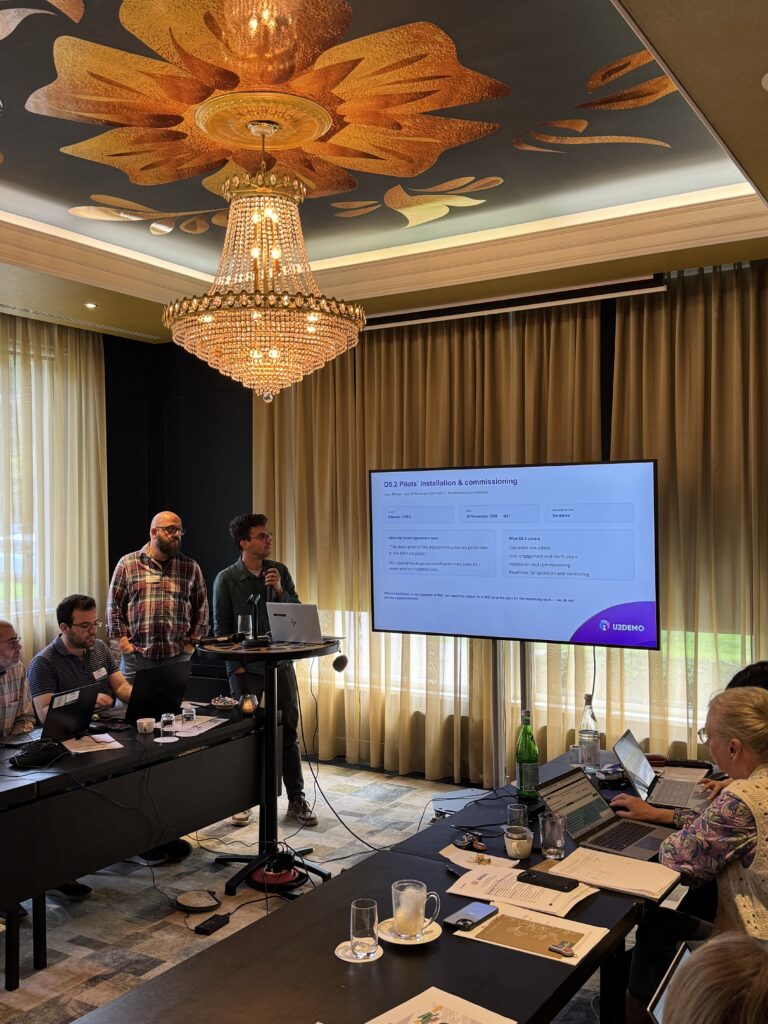
This was one of the central themes of the U2Demo General Assembly, hosted by TNO, which brought project partners together in The Hague on 16 and 17 September. Beyond discussing project progress, the meeting offered a closer look at how local communities in four European countries are turning innovative energy concepts into practical solutions.
And perhaps most importantly: several of these solutions are now moving from the drawing board into real-world operation.
Four Pilots, One Shared Challenge
Although U2Demo’s pilots operate in very different contexts, they all face a similar question: how can local communities make better use of renewable electricity while supporting an increasingly stressed energy system?
In Portugal, project partners are beginning to collect operational data from newly installed batteries that will help communities store renewable energy and provide flexibility to the grid.
In Italy, work is underway to coordinate batteries, electric vehicles and heat pumps as active participants in local energy markets. Rather than consuming electricity whenever needed, these assets can shift their consumption or production to moments when it creates value for both the community and the wider energy system.
Meanwhile, the Belgian pilot is exploring how energy sharing can create benefits for citizens, including residents of social housing. By allowing locally generated renewable electricity to be shared within a community, participants can increase self-consumption while strengthening local engagement in the energy transition.
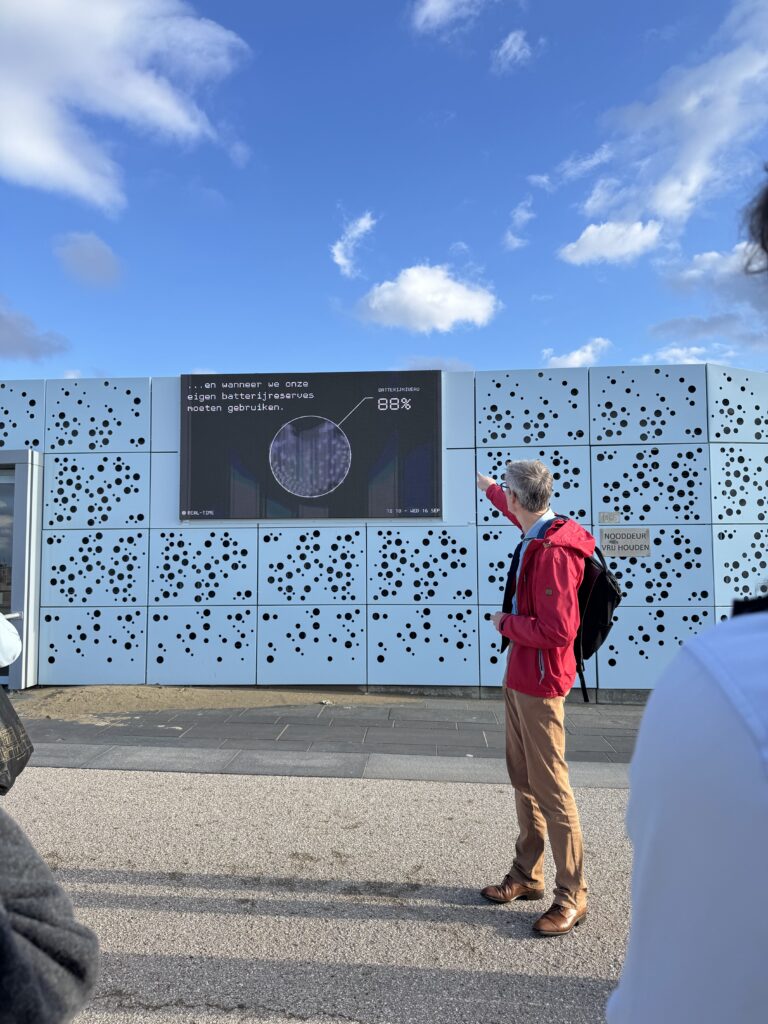
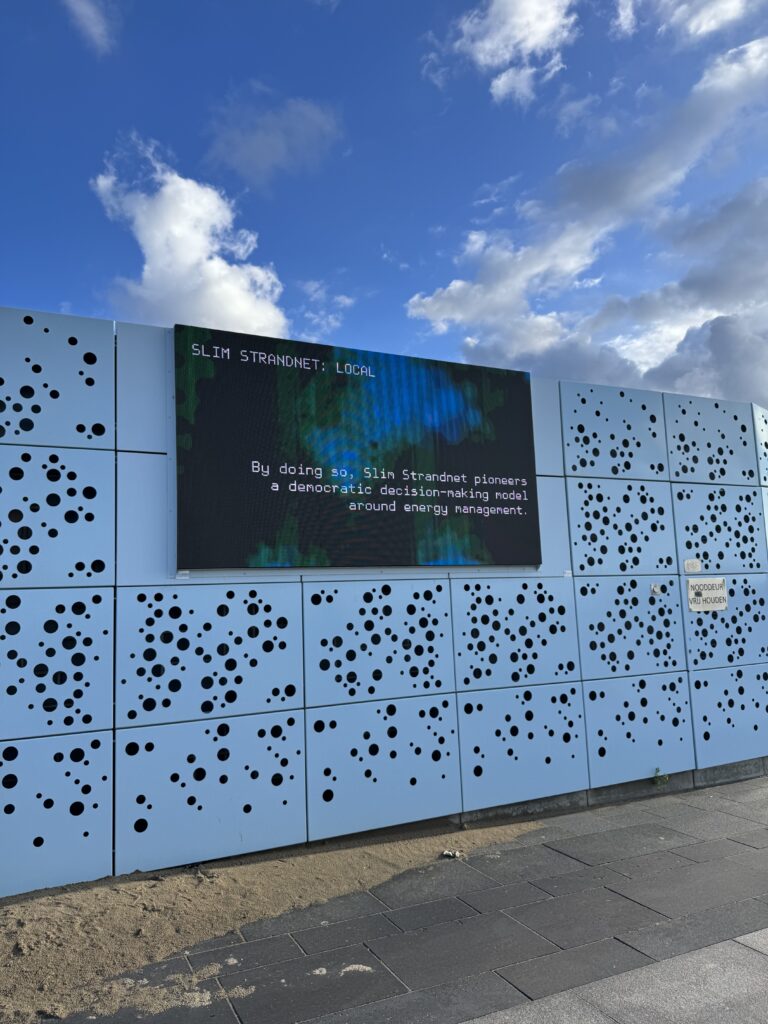
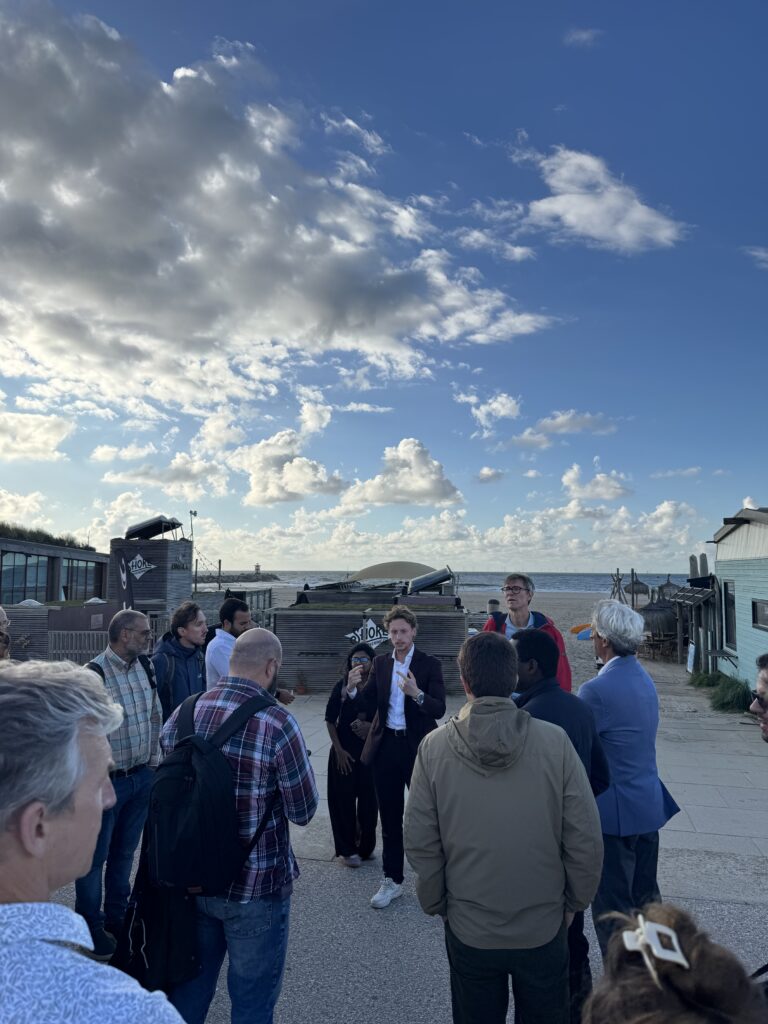
The Dutch pilot approaches the challenge from another angle: how can communities actively support the electricity grid when congestion occurs? This question took centre stage during the consortium’s visit to Slim Strandnet.
A Living Laboratory on the Dutch Coast
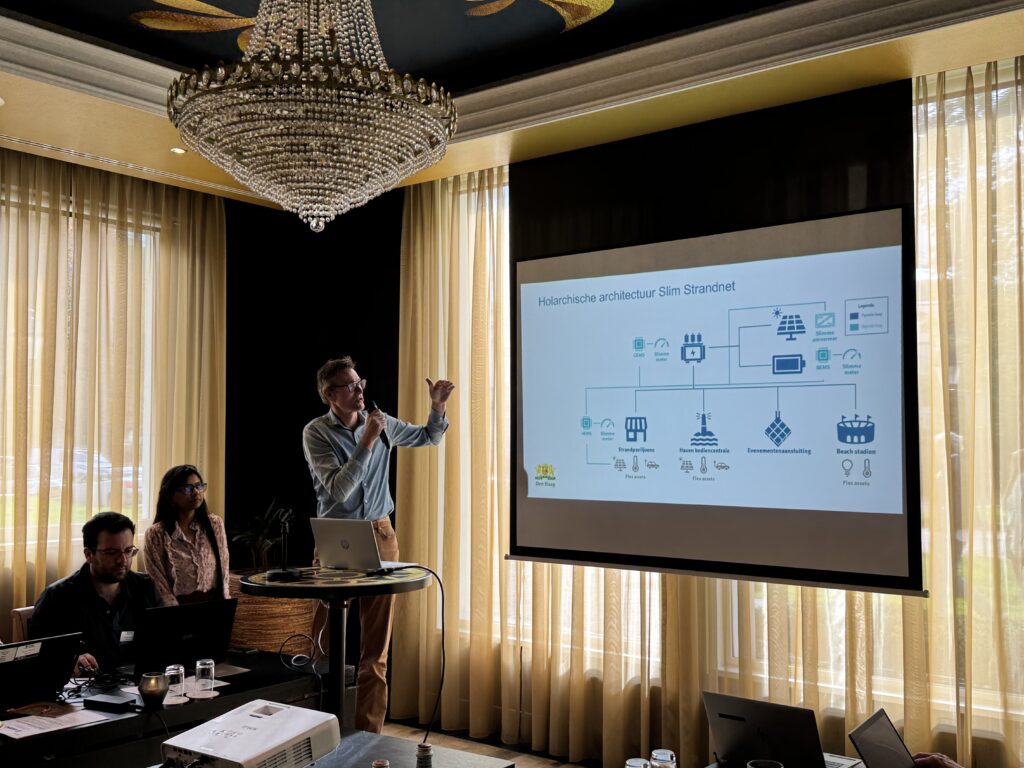
At first glance, Slim Strandnet looks very different from a traditional energy project. Located in the coastal area of The Hague, the initiative brings together renewable generation, batteries, heat pumps, digital monitoring systems and advanced optimization tools. What sets the pilot apart is the way it coordinates solar panels, batteries, heat pumps and digital systems into a single, intelligent energy ecosystem.
Visitors were introduced to the concept of a digital twin: a virtual representation of the energy community that continuously receives data from connected assets. This digital environment allows operators to visualize energy flows, test optimization strategies and evaluate different flexibility scenarios before implementing them in practice.
Behind the scenes, Home Energy Management Systems and Grid Energy Management Systems work together to coordinate local flexibility. Through U2Demo’s Digital Spine infrastructure, information can flow between individual assets, local controllers and optimisation services.
In practical terms, this means that dozens of separate energy devices can begin acting as part of a coordinated system.
Beyond Energy Sharing
One of the most interesting discussions during the site visit concerned the future role of energy communities in managing grid congestion.
Historically, network operators have addressed growing electricity demand by reinforcing infrastructure. However, this approach is often costly, time-consuming and difficult to scale at the pace required by the energy transition. The Slim Strandnet pilot is exploring alternatives.
Partners demonstrated how flexible assets could respond to dynamic tariffs, participate in redispatch mechanisms such as GOPACS and even support emergency grid operations by temporarily reducing non-essential demand during critical moments.
While these mechanisms are still being tested, they illustrate a broader shift in thinking. Energy communities are no longer viewed solely as consumers of renewable energy. They are increasingly becoming active participants in balancing and stabilising the electricity system.
From Technical Components to Real Demonstrations
A recurring message throughout the General Assembly was that U2Demo has reached a turning point. Over the past years, project partners have developed forecasting tools, optimisation algorithms, interoperability frameworks and digital services. As these components move closer to real-world deployment, ensuring that they can work together seamlessly has become a key priority. Behind every successful energy community lies a challenge that is often invisible to end users: enabling different technologies to exchange and interpret information consistently. During the General Assembly, partners therefore reviewed the latest version of the U2Demo data model, which provides a common framework for information to flow smoothly between devices, platforms and services across the project’s pilots.
The next challenge is bringing everything together. Rather than demonstrating isolated technologies, the project now aims to validate complete end-to-end use cases. Data collected from households and community assets must feed forecasting services. Forecasts must trigger optimisation algorithms. Algorithms must generate actionable decisions. And citizens must ultimately experience the resulting benefits.
For many partners, this transition from development to real-world operation represents the most exciting phase of the project so far.
Creating Solutions That Others Can Reuse
The discussions in The Hague also looked beyond the project’s own pilots. Throughout the meeting, partners explored how the methods, software tools and lessons learned from U2Demo can be transferred to other energy communities across Europe. Open-source development, replication strategies and future toolkits featured prominently in discussions about the project’s long-term impact.
The ambition is clear: the value of U2Demo should not end with its demonstration sites. By documenting what works, what does not, and under which conditions innovative flexibility services can succeed, the project aims to provide practical guidance for communities that want to play a more active role in Europe’s energy transition.
Looking Ahead
The visit to The Hague highlighted just how quickly the role of energy communities is evolving. What was recently considered an experimental concept is increasingly becoming operational reality. Batteries are being deployed. Digital twins are coming online. Flexibility services are being tested. Citizens are becoming active participants in local energy systems.
As U2Demo enters its final demonstration phase, the coming months will focus on proving that these innovations can deliver real benefits, not only for individual communities but also for Europe’s wider energy system.
Comments are closed.